41 snowflake create policy
docs.snowflake.com › en › sql-referenceCREATE PROCEDURE — Snowflake Documentation For languages other than Snowflake Scripting, Snowflake does not completely validate the code when you execute the CREATE PROCEDURE command. For example, for Snowpark (Scala) stored procedures, the number and types of input arguments are validated, but the body of the function is not validated. CREATE ROW ACCESS POLICY — Snowflake Documentation Snowflake supports the following syntax to create a row access policy. CREATE [ OR REPLACE ] ROW ACCESS POLICY [ IF NOT EXISTS ] AS ( [ , ... ] ) RETURNS BOOLEAN -> [ COMMENT = ' ' ]
CREATE ROW ACCESS POLICY — Snowflake Documentation Snowflake prend en charge les expressions qui appellent Fonctions définies par l’utilisateur (UDFs), ... Notes sur l’utilisation¶ La création d’une politique d’accès aux lignes requiert le privilège CREATE ROW ACCESS POLICY sur le schéma actuel ou spécifié. L’inclusion d’une ou plusieurs sous-requêtes dans le corps de la politique peut provoquer des erreurs. Dans la …
Snowflake create policy
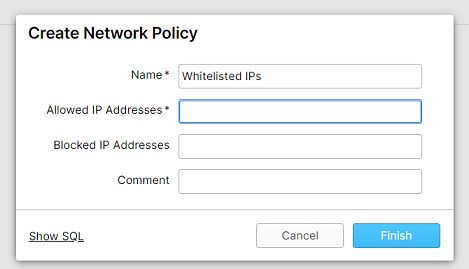
CREATE NETWORK POLICY — Snowflake Documentation Snowflake returns an error message when this character limit is exceeded. After creating a network policy, you must associate it with your account before Snowflake enforces the policy. You can associate a policy with your account through the ALTER ACCOUNT command, which must be run by a user with the SECURITYADMIN role (or higher). For example: Network Policies — Snowflake Documentation The Create Network Policy dialog appears. In the Name field, enter a name for the network policy. In the Allowed IP Addresses field, enter one or more IPv4 addresses that are allowed access to this Snowflake account, separated by commas. Note. docs.snowflake.com › create-masking-policyCREATE MASKING POLICY — Snowflake Documentation Currently, Snowflake does not support different input and output data types in a masking policy, such as defining the masking policy to target a timestamp and return a string (e.g. ***MASKED***); the input and output data types must match. A workaround is to cast the actual timestamp value with a fabricated timestamp value.
Snowflake create policy. docs.snowflake.com › create-masking-policyCREATE MASKING POLICY — Snowflake Documentation Currently, Snowflake does not support different input and output data types in a masking policy, such as defining the masking policy to target a timestamp and return a string (e.g. ***MASKED***); the input and output data types must match. A workaround is to cast the actual timestamp value with a fabricated timestamp value. Network Policies — Snowflake Documentation The Create Network Policy dialog appears. In the Name field, enter a name for the network policy. In the Allowed IP Addresses field, enter one or more IPv4 addresses that are allowed access to this Snowflake account, separated by commas. Note. CREATE NETWORK POLICY — Snowflake Documentation Snowflake returns an error message when this character limit is exceeded. After creating a network policy, you must associate it with your account before Snowflake enforces the policy. You can associate a policy with your account through the ALTER ACCOUNT command, which must be run by a user with the SECURITYADMIN role (or higher). For example:
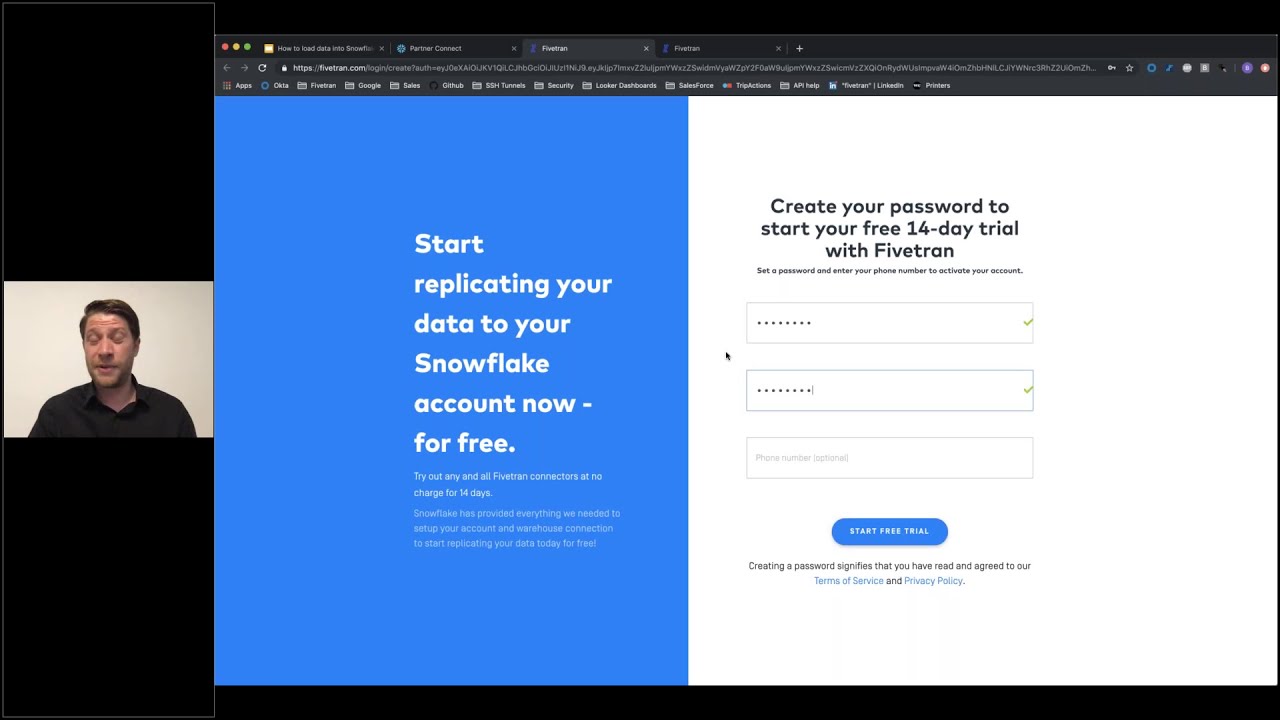
How to load data into Snowflake with Fivetran
Snowflake Data Masking - Snowflake Solutions

How to Implement Row and Column Level Security in Snowflake ...
Snowflake 101: Securing Data in the Cloud
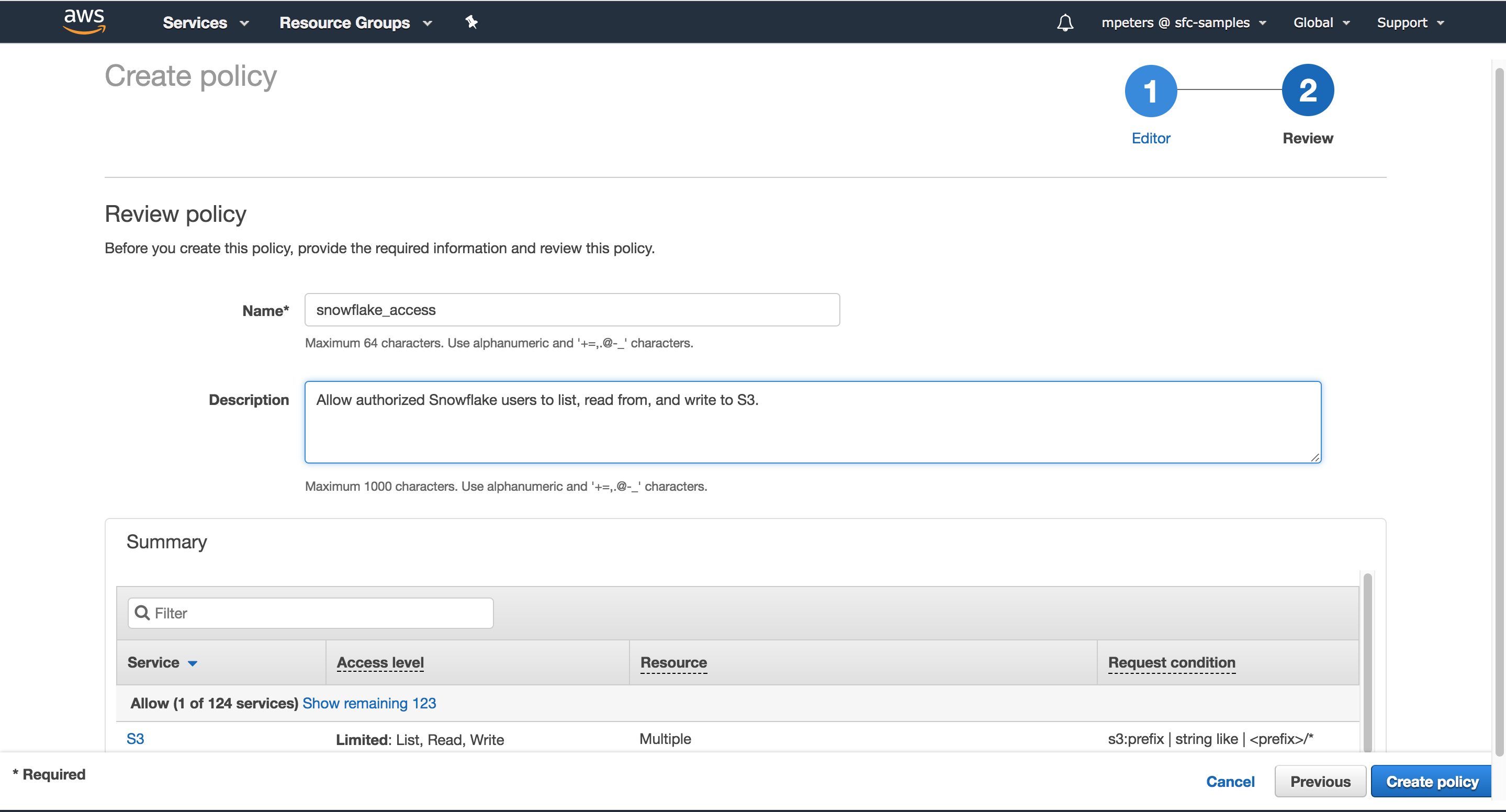
Option 1: Configuring a Snowflake Storage Integration to ...
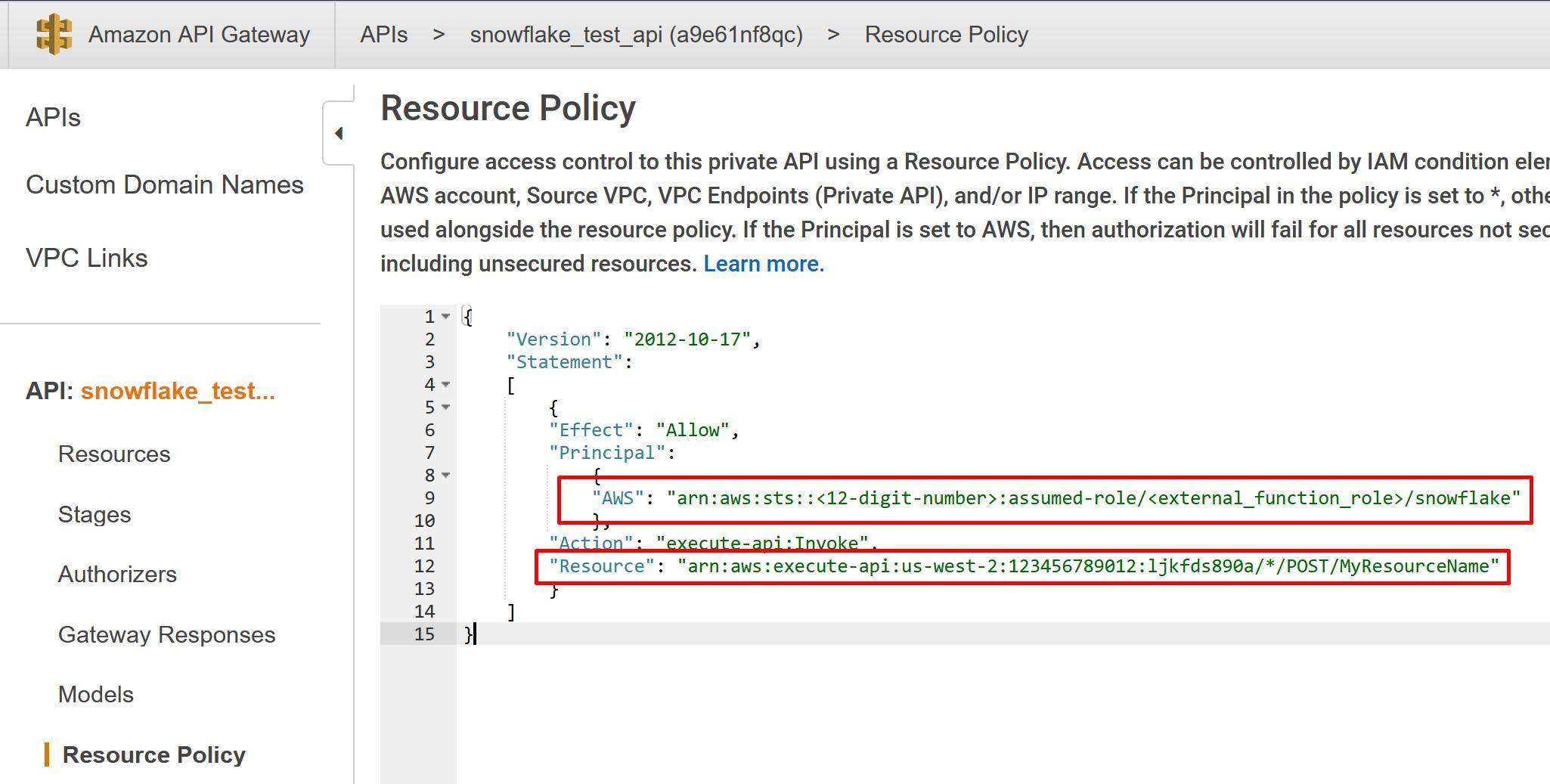
Snowflake external functions, Part 1 - Tutorial for ...
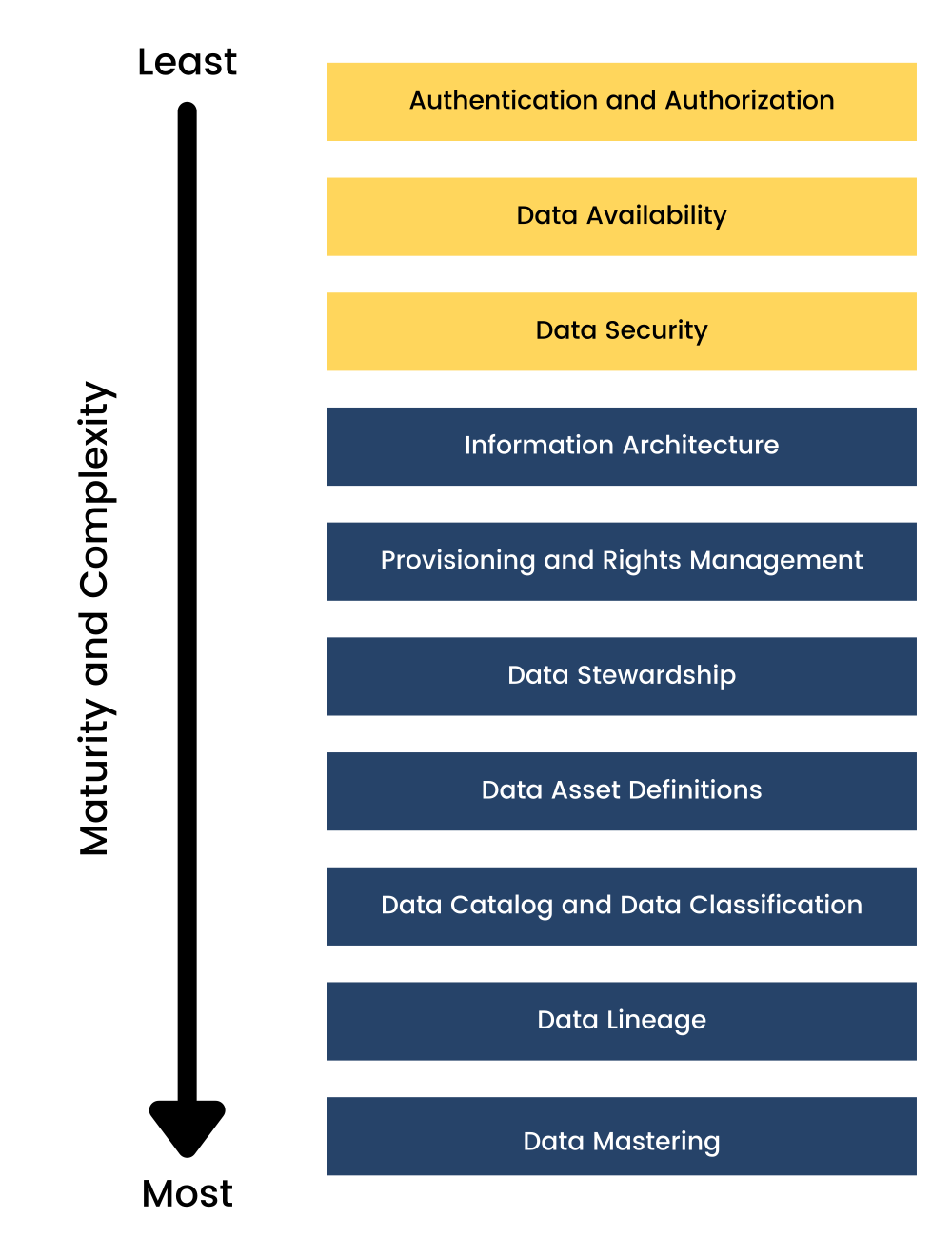
How Do I Build Data Governance in Snowflake? | phData

Data Security Snowflake Part 2 - Column Level Security

Snowflake

Data Access Control for Snowflake - Okera

Snowflake | RudderStack Docs

Snowflake Schema - an overview | ScienceDirect Topics
Zero to Snowflake: Network Policies & Why They Matter ...
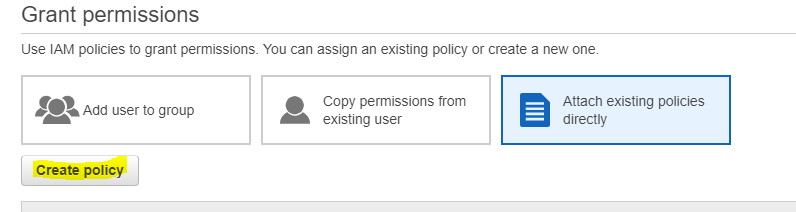
Configure Custom FileZone for Snowflake - Snowflake

Bring Data Governance Bliss with Alation & Snowflake |Alation

Snowflake Destination | Segment Documentation
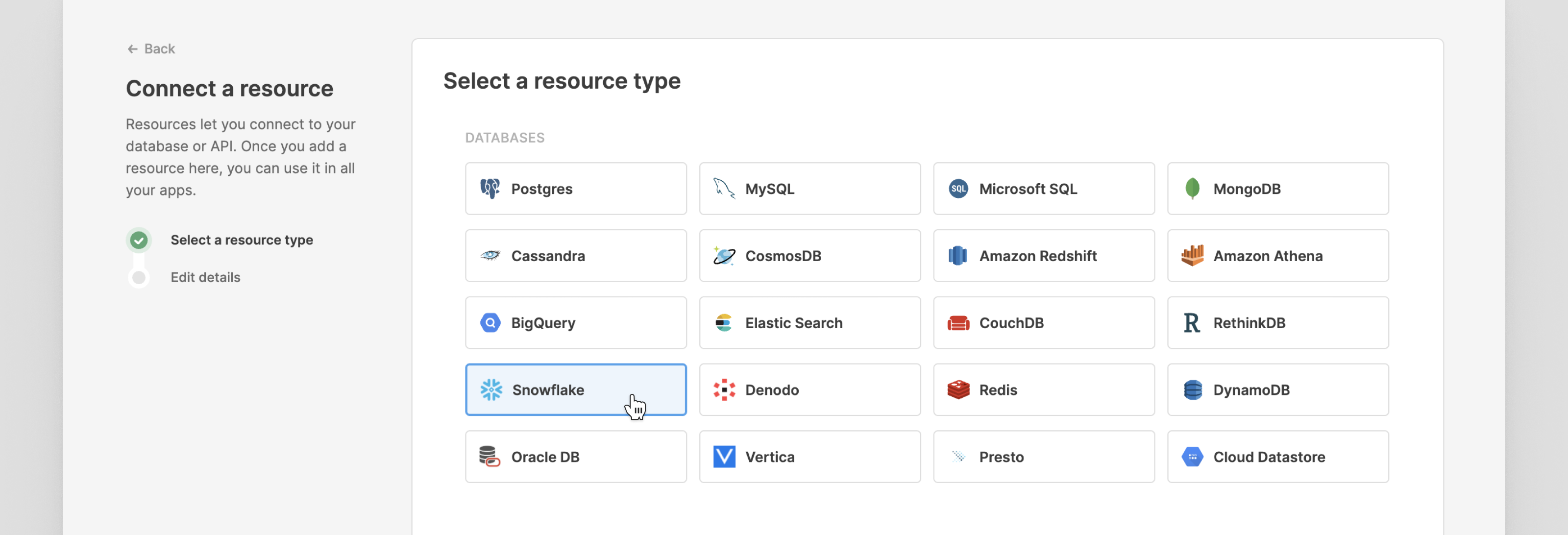
Snowflake Integration
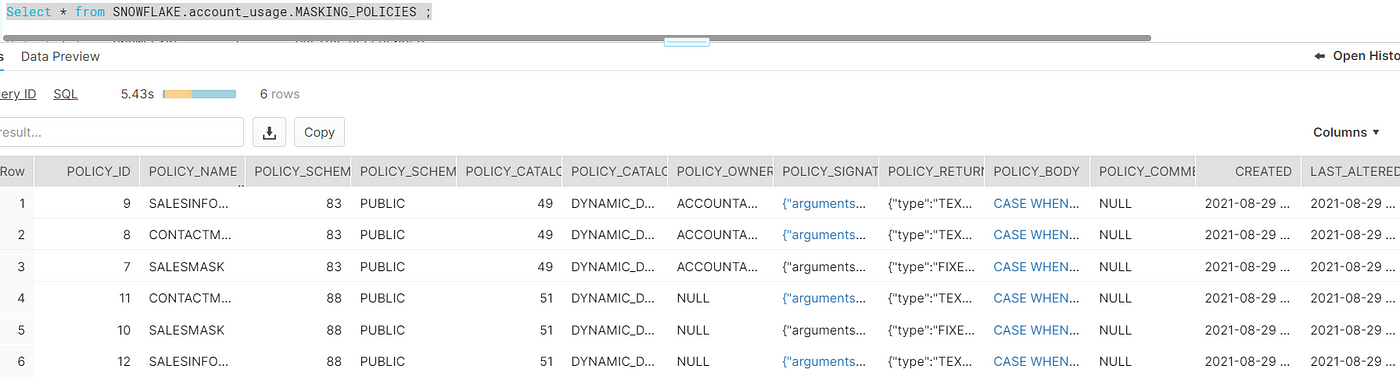
Snowflake Dynamic Data Masking Overview | by Rajiv Gupta | Medium
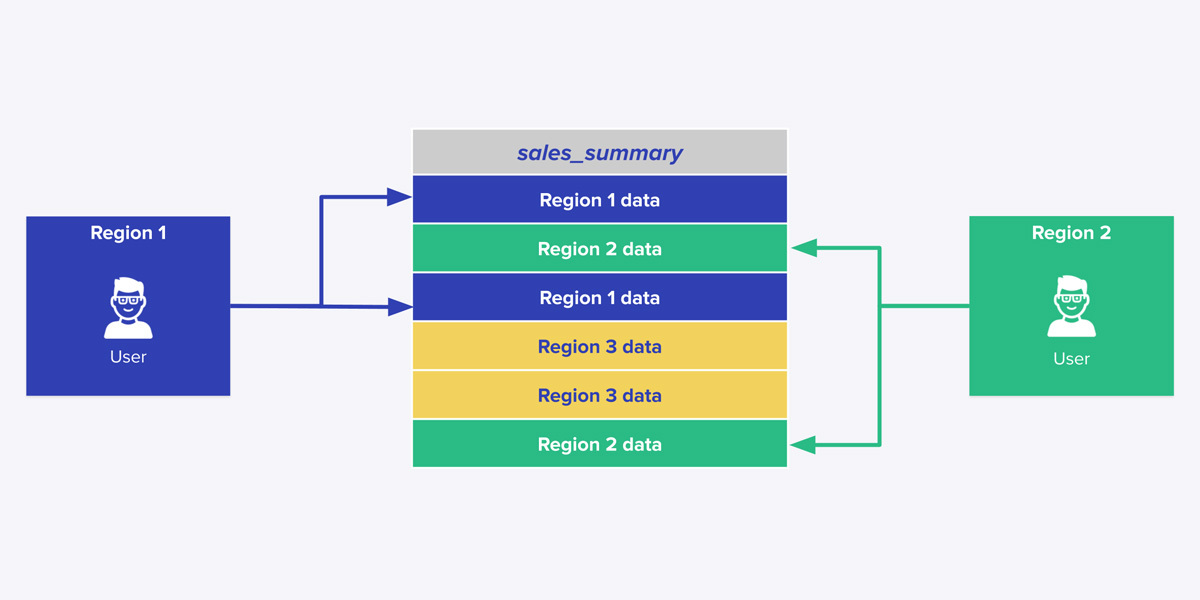
Snowflake Row-Level Security
Snowflake Row Access Policy Example | by Gabriel Mullen ...
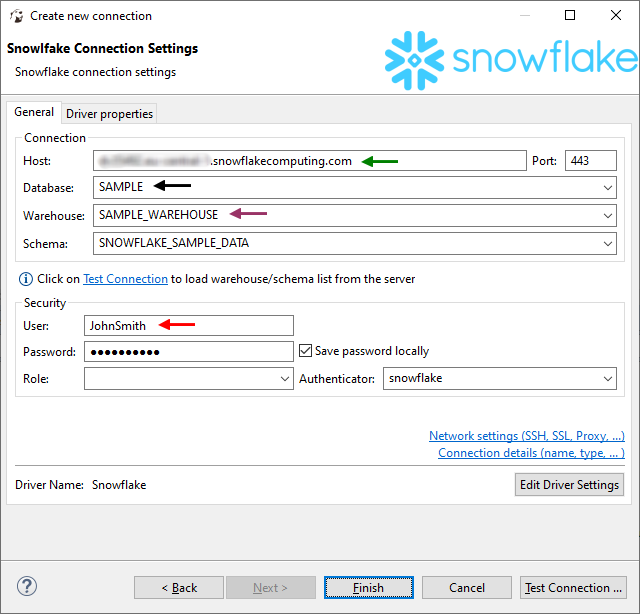
Connecting to Snowflake database - Dataedo Documentation
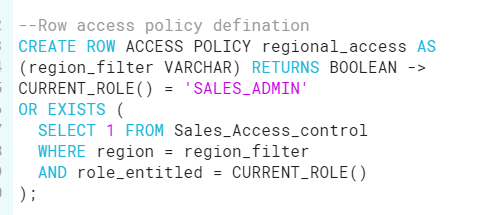
Snowflake Data Governance: Row Access Policy Overview | by ...
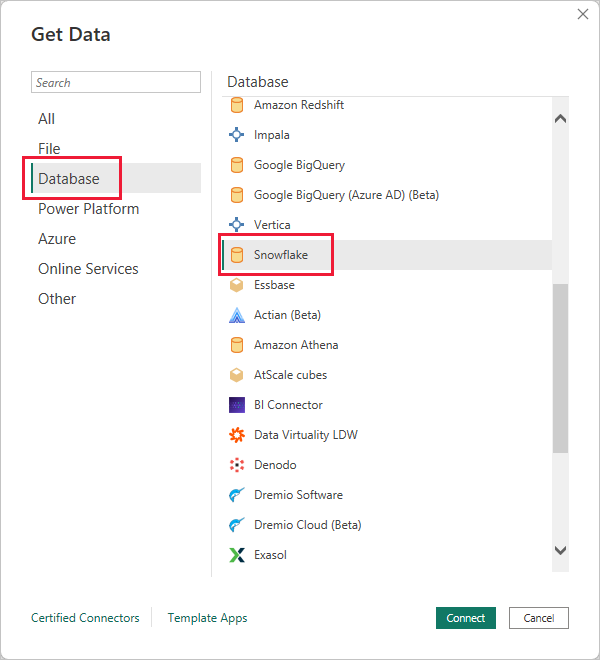
Connect to Snowflake computing warehouse in Power BI Desktop ...
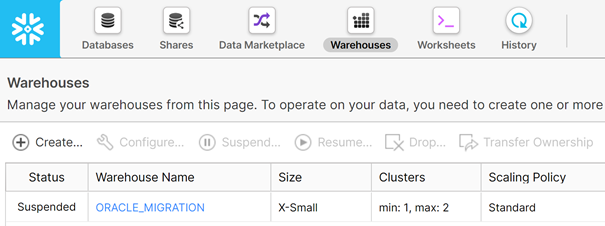
Snowflake: beyond the cloud data warehouse | GFT Poland Blog

Snowflake Dynamic Data Masking - Column Level Security in 2 ...

Snowflake Field Notes | Dataform
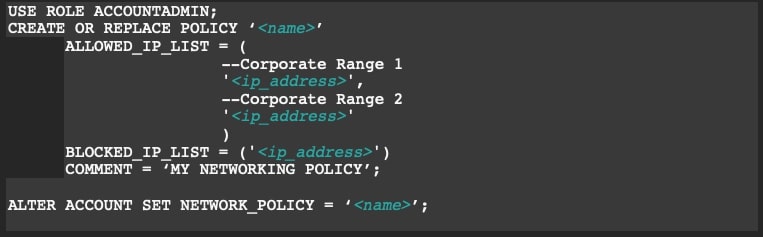
Zero to Snowflake: Network Policies & Why They Matter ...
Snowflake Archives - Solita Data
Exploring XML In Snowflake
Real Time ETL to Snowflake Data Warehouse

Zero to Snowflake: Network Policies & Why They Matter ...
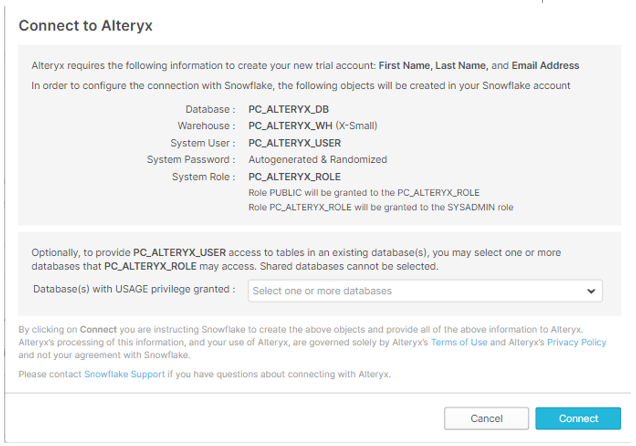
How to Access Snowflake in Your Hosted Designer Tr ...

Dynamic Data Masks: Protect sensitive data with Snowflake ...

Easy Takeoff in the Cloud with Snowflake - saracus consulting
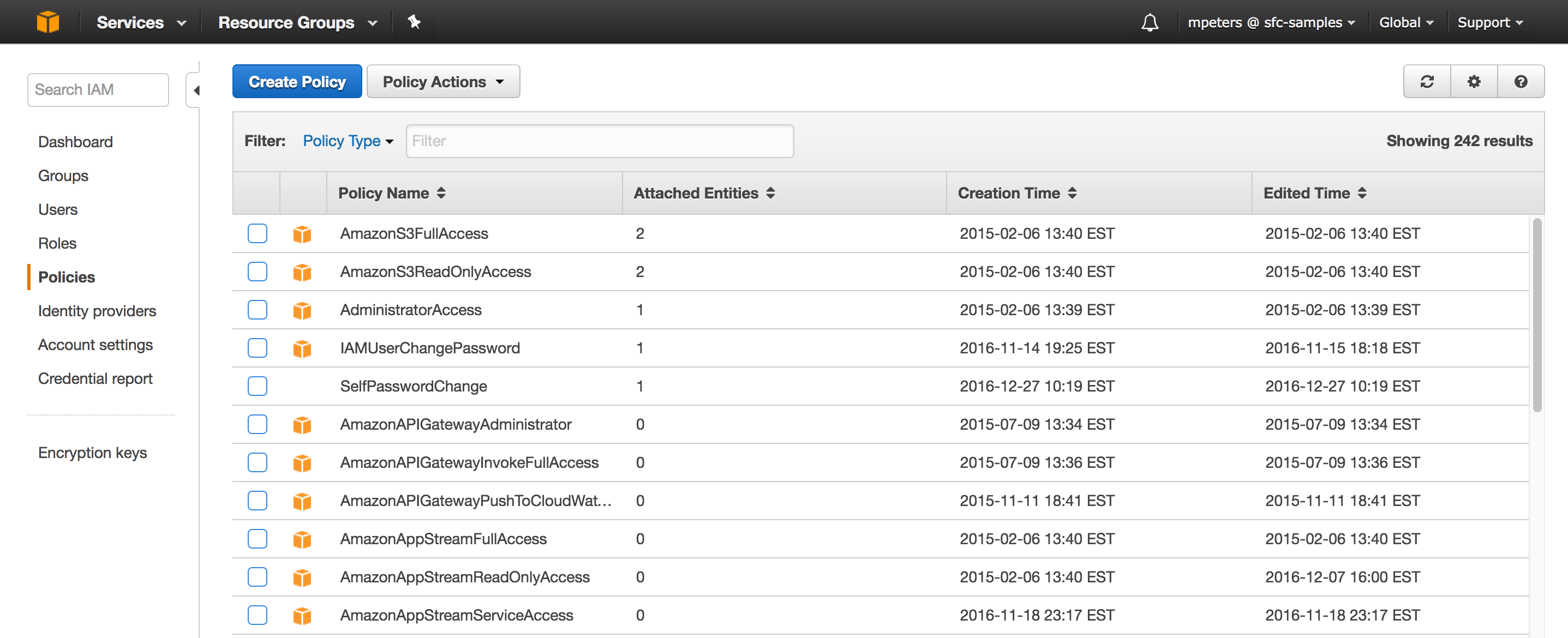
Option 1: Configuring a Snowflake Storage Integration to ...
GitHub - snowflakedb/SnowAlert: Security Analytics Using The ...

Establish private connectivity between Amazon QuickSight and ...

Your Guide to Optimizing Snowflake Costs for Real-Time ...
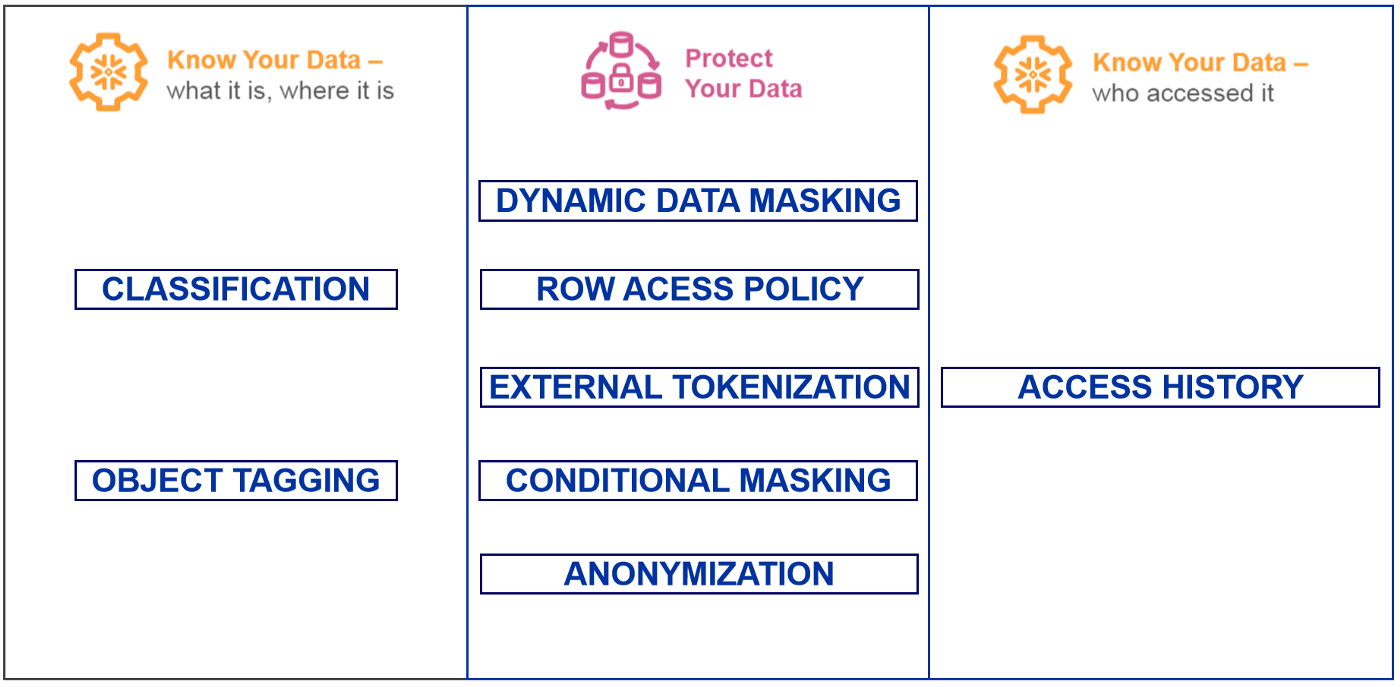
Snowflake Dynamic Data Masking Overview | by Rajiv Gupta | Medium

dbt-snow-mask (dbt package to define masking policies ...

Make Your Own Virtual Snowflake – No Paper Needed ...
0 Response to "41 snowflake create policy"
Post a Comment